
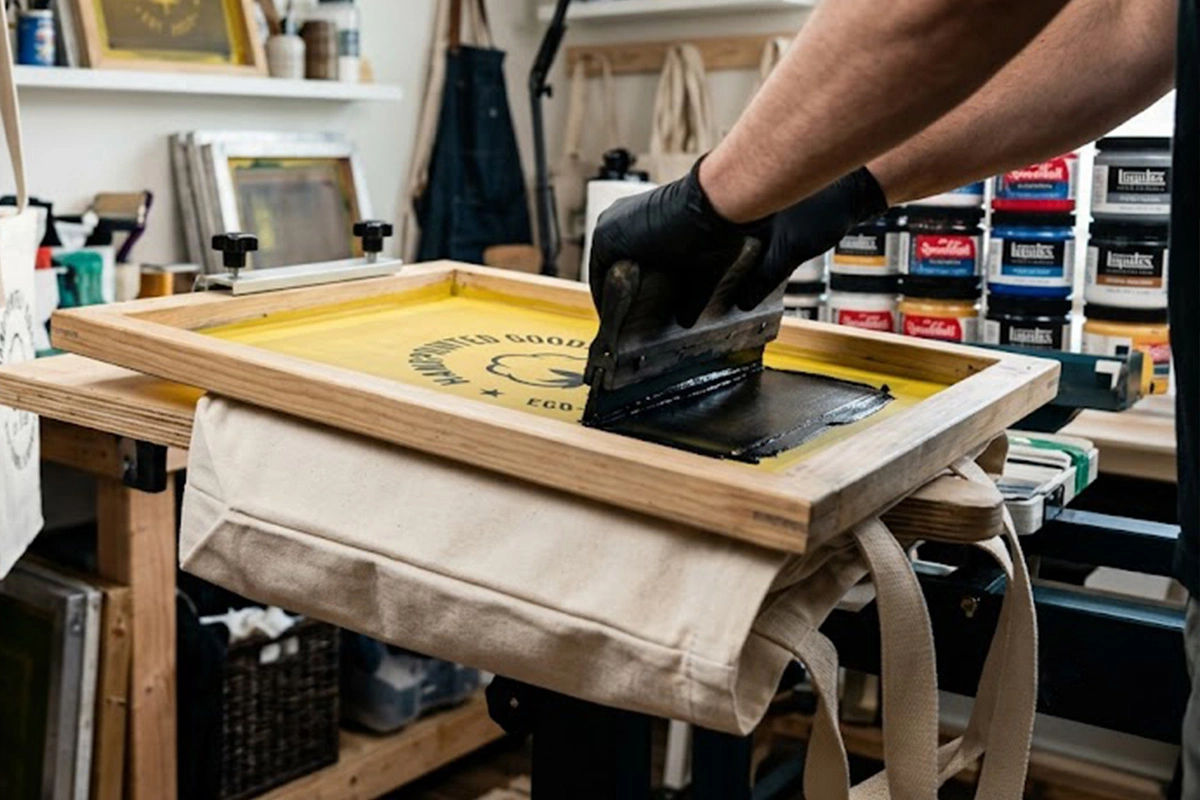
Silkscreen Printing
Commonly used for simple solid-colour logos on suitable T-shirts, tote bags and selected corporate gifts, particularly for appropriate bulk quantities.
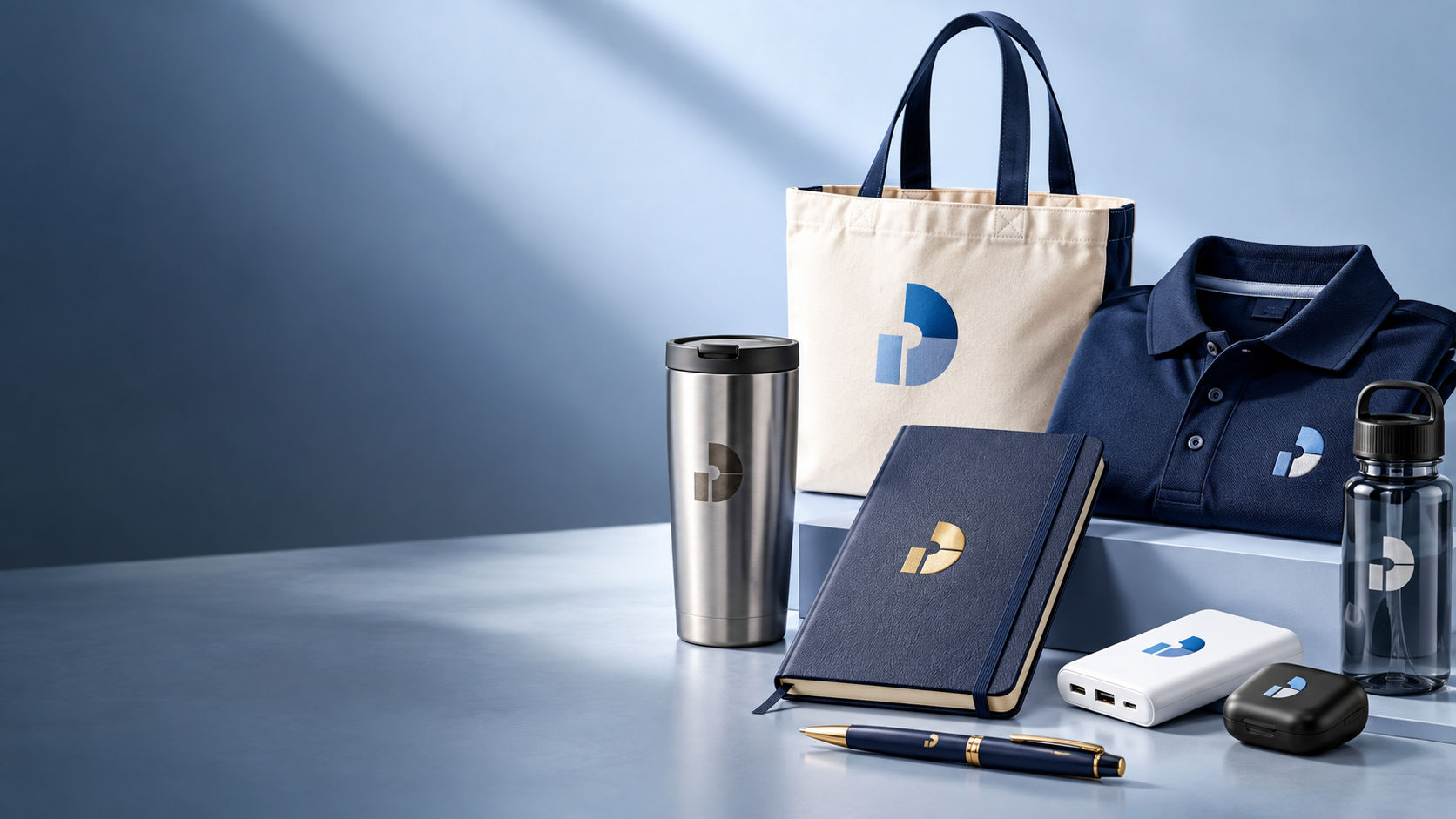
Different corporate gifts require different branding techniques. The suitable method depends on the product material, logo design, number of colours and desired finish.
Commonly used for simple solid-colour logos on suitable T-shirts, tote bags and selected corporate gifts, particularly for appropriate bulk quantities.
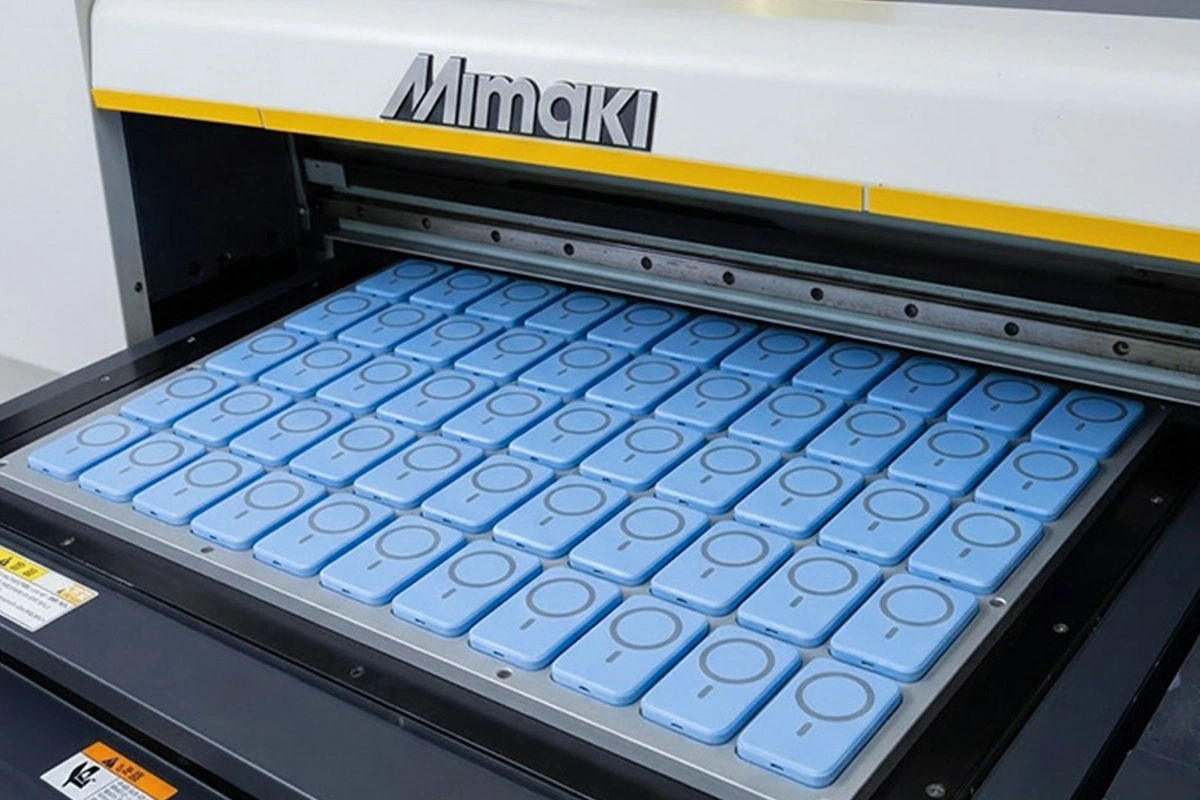
Suitable for colourful logos, gradients and detailed artwork on compatible hard surfaces such as tumblers, notebooks and selected tech gifts.
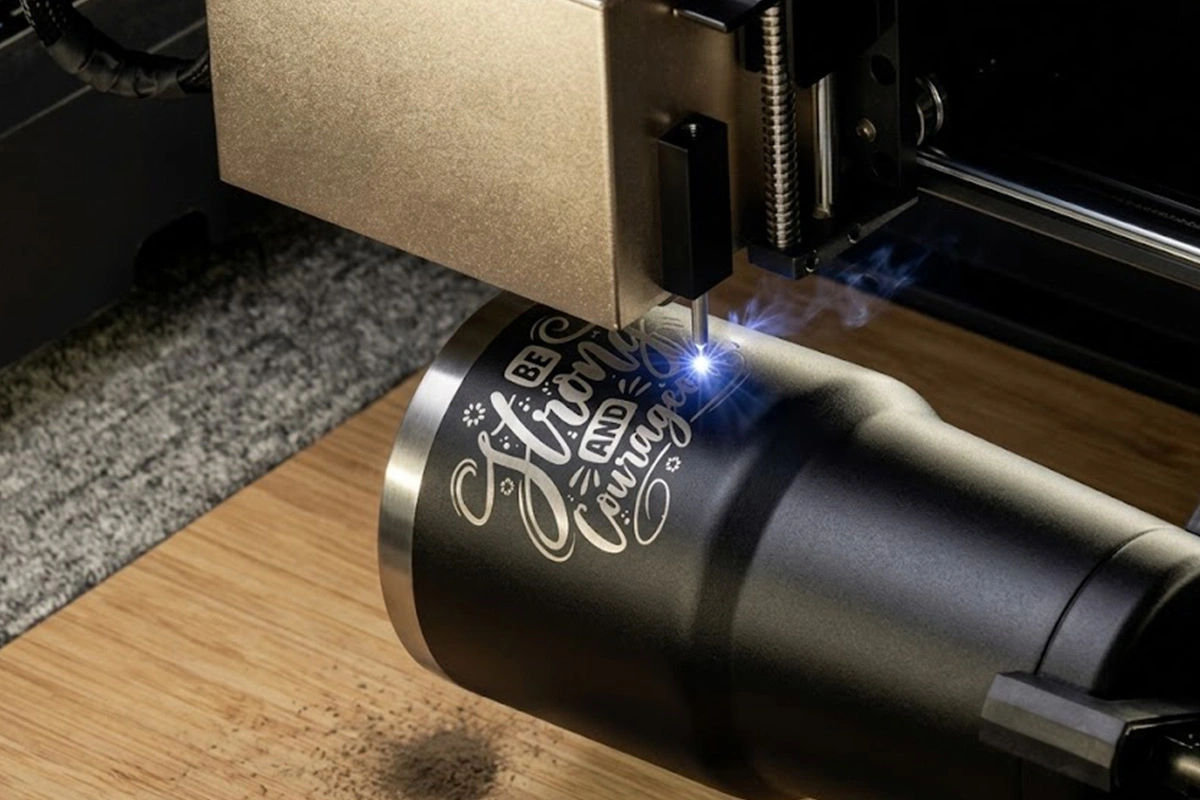
Creates a subtle branded finish on compatible metal, wood and selected premium corporate gifts without relying on printed colour.
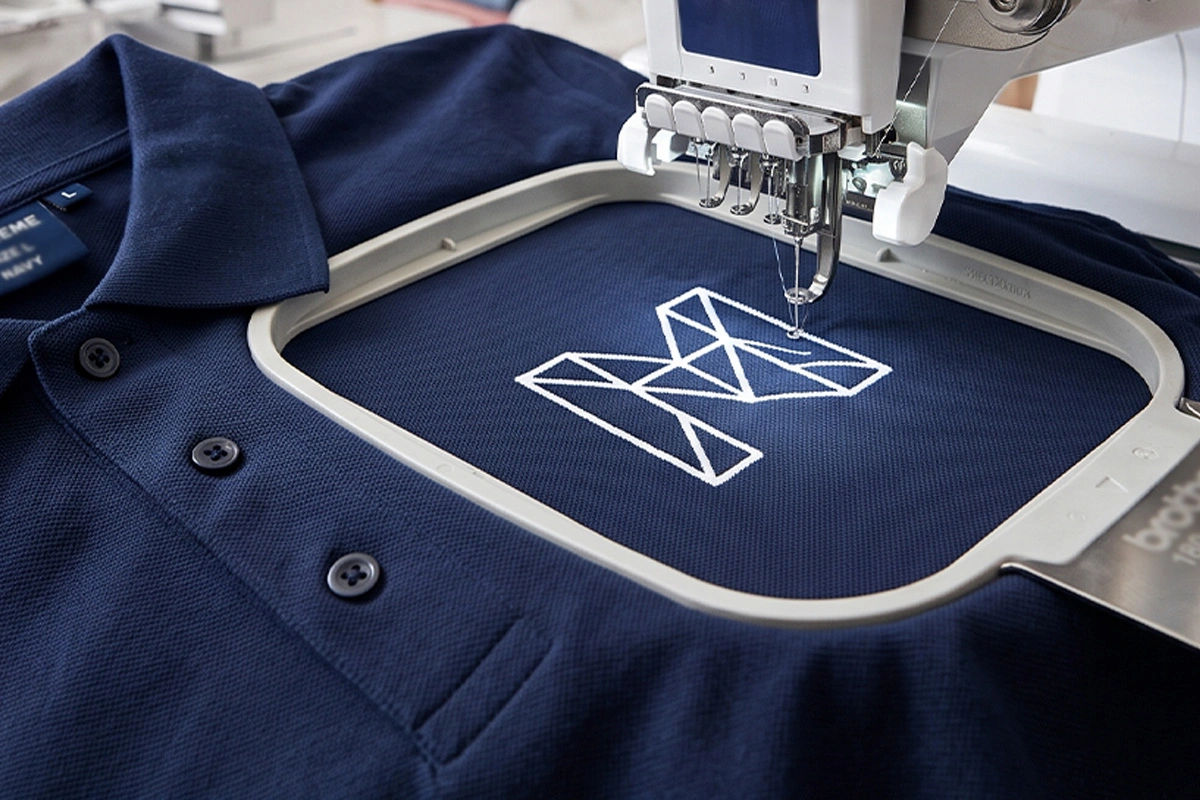
A professional stitched finish commonly used for corporate polo shirts, uniforms, jackets and caps.
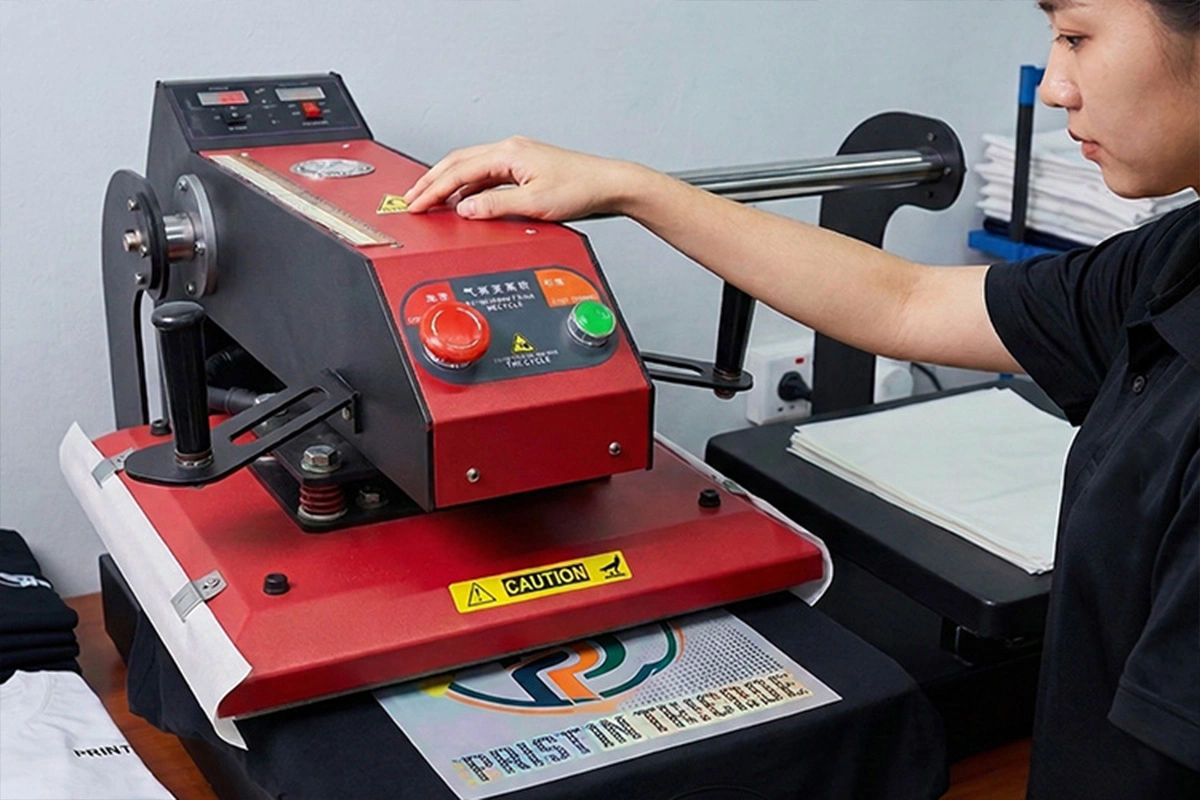
Useful for detailed, multi-colour artwork on compatible T-shirts, corporate apparel, tote bags and other fabric-based gifts.
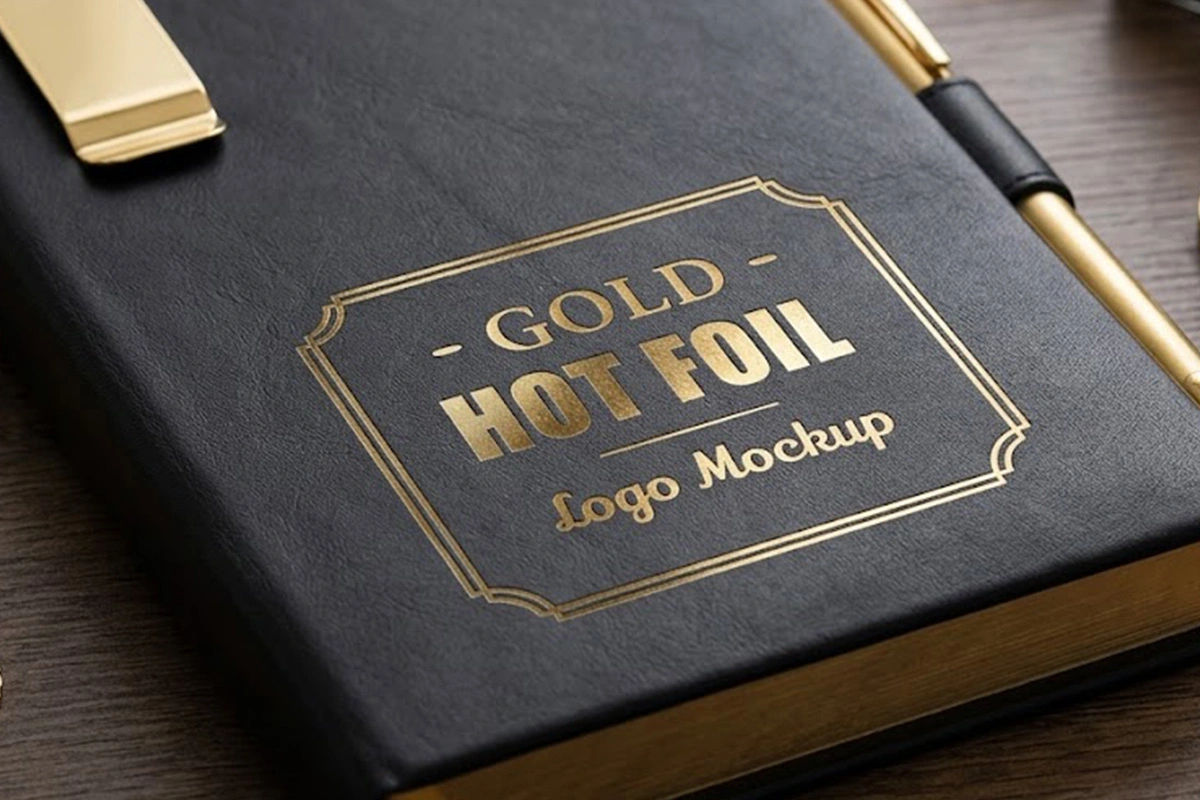
A premium metallic foil finish used on selected notebooks, gift boxes, packaging and leather-style corporate gifts.
Choosing a printing method depends on the corporate gift, product material, logo artwork, colours and the type of branded finish you want to achieve.
There is no single printing method that is best for every corporate gift. The suitable method depends on the product material, logo design, number of colours, branding area and desired appearance.
For example, laser engraving may suit a stainless-steel tumbler, embroidery may suit a corporate polo shirt, while silkscreen or DTF may be considered for fabric products.
Different surfaces react differently to printing, engraving, heat and stitching. Cotton, polyester, stainless steel, aluminium, plastic, PU leather and paper packaging may therefore require different customisation methods.
Choosing the method only by appearance, without considering the product surface, may result in a finish that does not match the intended branding result.
Silkscreen printing is commonly considered for simple artwork with a limited number of solid colours, especially for suitable bulk quantities.
DTF printing may be more suitable when the design contains multiple colours, gradients or detailed illustrations. The final choice should also consider the garment material, artwork and quantity.
Yes. Embroidery is commonly used for corporate polo shirts, uniforms, jackets and caps because it creates a professional stitched appearance.
However, very small text, fine details or complex colour gradients may not reproduce in the same way as printed artwork, so the logo should be reviewed before production.
Choose based on the branding result you want. UV printing may be suitable when the logo contains colours or detailed artwork and the tumbler surface is compatible.
Laser engraving is commonly considered when a subtle, premium appearance without printed colour is preferred.
UV Transfer is a full-colour branding option that may be suitable for selected corporate gifts and accessories where detailed artwork, multiple colours or a visually prominent logo is required.
Whether UV printing or UV Transfer is more suitable depends on the product surface, branding area and artwork.
A premium appearance depends on the product rather than one specific printing method. Laser engraving can create a refined finish on compatible metal gifts, while debossing can create subtle branding on suitable PU products.
Hot stamping can add a metallic finish to selected notebooks and packaging, while embroidery is often used for a structured, professional appearance on corporate apparel.
Laser engraving and printed branding behave differently. Engraving changes or exposes the product surface rather than adding printed ink, but this does not mean it is automatically the best option for every product.
The durability of any branding method depends on the material, coating, production method, usage and care of the product.
Not necessarily. Different items in the same corporate gift set may require different customisation methods.
For example, a gift set could use silkscreen on a tote bag, laser engraving on a tumbler, debossing on a notebook and embroidery on a polo shirt. The branding can remain consistent even when the production method changes.
Vector artwork such as AI, EPS, SVG or an editable PDF is generally preferred when available because it allows the logo to be resized without losing artwork quality.
High-resolution PNG or JPG files can also be reviewed, depending on the product and printing method.
If your company has an official Pantone or brand colour reference, provide it together with the artwork when requesting customisation.
The final appearance can still vary depending on the printing method, product colour, material and surface. For branding projects where colour consistency is important, these factors should be reviewed before production.
Personalised names may be possible for selected corporate gifts and printing methods. However, variable-name personalisation is different from printing the same company logo on every item.
The suitable production method, cost and process will depend on the product, quantity and type of personalisation required.
Start with four things: product material + logo artwork + desired appearance + quantity.
Once these requirements are clear, the printing method can be selected according to what is suitable for the product instead of choosing a printing technique first.
If you already have a corporate gift and logo in mind, ShopGifts can review the product material and artwork and recommend a suitable customisation method for your project.
Contact ShopGifts →